

When winter rolls around, your home’s first line of defense against sub-zero temperatures, freezing rain, and heavy snowfall is its exterior envelope—specifically, your roof and gutter system. Winter weather introduces severe structural challenges, and failing to prepare before the first freeze can lead to costly structural repairs, interior water damage, and dangerous hazards around your foundation.
At Advantage Exteriors, we specialize in protecting homes from harsh midwestern winters. Whether you are dealing with persistent ice dams or looking to upgrade your home’s defense system, this step-by-step guide walks you through winterizing your roof and gutters to prevent damage and maintain your home’s structural integrity all season long.
How Can Winter Weather Affect My Roof and Gutters?
Winter weather damages roofs and gutters primarily through three mechanisms: freeze-thaw expansion, excessive weight accumulation, and blocked drainage channels. Understanding these threats helps you take proactive action before minor issues turn into major insurance claims.
1. The Direct Impact of Ice in Gutters
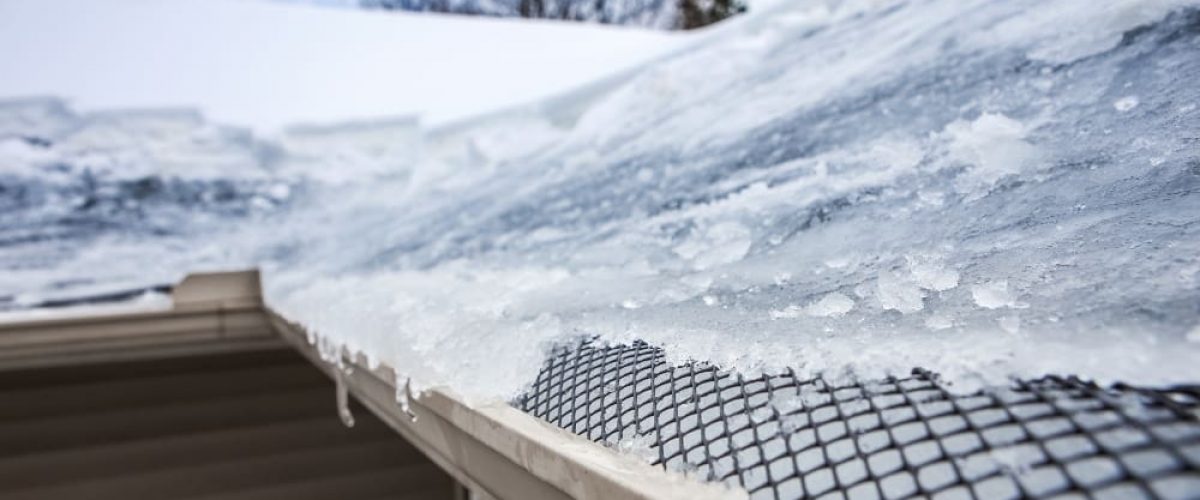
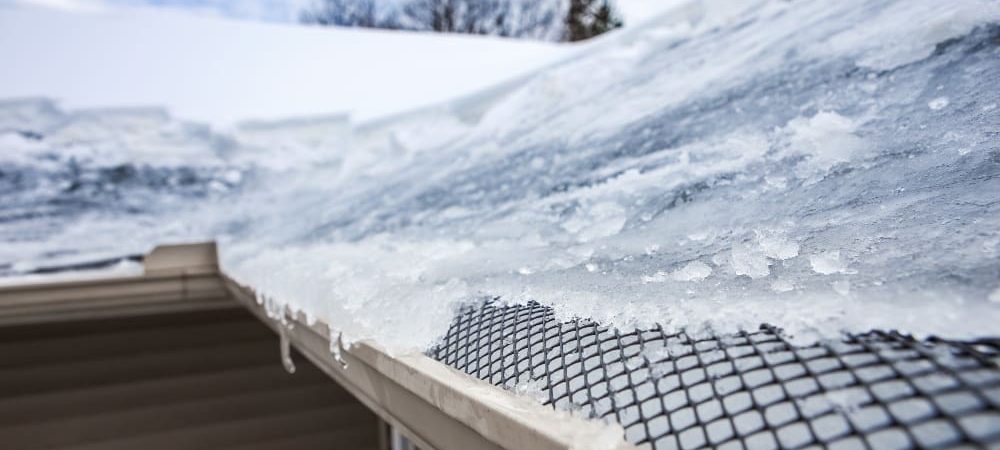
When snow on your roof melts due to heat escaping from your attic, it flows down to the unheated roof overhang and gutter line. If the gutter is clogged or the outside temperature is below freezing, this water refreezes.
Over time, repeated cycles build up solid ice in gutters. Water expands by roughly 9% as it turns into ice, exerting immense outward pressure on the metal seams. This continuous expansion warps seamless gutters, pulls fasteners away from the fascia board, and damages underlying wood.
2. Understanding Gutter Damage from Snow and Weight
Freshly fallen snow weighs roughly 20 pounds per cubic foot, while packed snow or solid ice can weigh up to 57 pounds per cubic foot. A standard 50-foot gutter run packed solid with ice and heavy snow can easily support hundreds of extra pounds. This excessive weight leads directly to structural failure:
- Separation from Fascia: Screws and hangers strip out, causing gutters to pitch incorrectly or pull away from the house entirely.
- Ice Damming: Standing water trapped behind frozen ridges backing up under asphalt shingles, rotting the roof deck and leaking into interior walls and ceilings.
- Structural Sagging: Vinyl and aluminum gutters bend under extreme weight, creating low spots where water will collect and freeze repeatedly.
Direct Q&A: Winter Roof & Gutter Defense
How do I prevent gutter damage from snow and ice?
You can prevent gutter damage by clearing all organic debris before the first freeze, extending downspouts at least 5 feet from the foundation, insulating your attic to minimize snow melt, and installing specialized ice-melting tools like self-regulating heated cables or heavy-duty snow guards.
What causes ice in gutters, and is it dangerous?
Ice forms in gutters when melted roof snow refreezes inside uninsulated or clogged drainage channels. It is dangerous because the heavy ice can tear gutters off your fascia board, cause destructive ice dams that force water into your home’s interior, and create heavy, falling icicles.
Actionable Winterization Checklist for Homeowners
Taking proactive steps in mid-to-late autumn saves you thousands of dollars in emergency winter repairs. Follow this step-by-step checklist to prepare your home before the cold sets in.
- Clear All Debris and Organic Matter (Complete before the first hard freeze)
Remove all leaves, pine needles, twigs, and shingle granules from your gutter troughs. Clogs hold standing water, which accelerates the formation of solid ice blocks. Use a flexible gutter scoop or hose to flush out fine grit.
- Check and Clear Downspouts (Crucial for proper drainage flow)
Ensure water flows freely through all downspouts. Flush them out with a garden hose or clear blockages with a plumber’s snake. Extend downspouts at least 5 to 6 feet away from your foundation using rigid extensions or splash blocks to prevent ice sheets from forming on walkways and near your home’s footings.
- Inspect Fasteners and Pitch Angle (Requires a sturdy ladder and level)
Examine your gutter hangers, brackets, and fascia boards. Tighten loose screws and replace rusted hardware. Check the slope: gutters should drop approximately 1/4 inch for every 10 feet of run toward a downspout to prevent standing water from freezing in place.
- Install Heated Cables or Snow Guards (Recommended for high-snow climates)
For homes prone to recurring ice dams or massive snow slides, consider installing self-regulating heat trace cables along the roof edge and inside gutter troughs. On metal or steep-slope roofs, install snow guards to hold heavy snow blankets in place so they melt gradually rather than sliding off all at once.
Advanced Protection: Heated Cables & Snow Guards
While routine cleaning handles basic winter risks, heavy snow belts demand engineered solutions to keep water flowing continuously.
The Benefits of Heated Cable Systems
Self-regulating heat cables automatically adjust their heat output based on ambient air temperatures. Installed in a zig-zag pattern along the roof edge, inside the gutter trough, and down the downspout, they create clear drainage pathways through frozen snowpacks.
- Prevents Ice Dams: Keeps water flowing freely off the roof edge before it can freeze under shingles.
- Reduces Weight Stress: Prevents large blocks of ice from filling the gutter channel.
- Automated Operation: Modern systems automatically activate when temperatures drop near freezing, keeping energy costs minimal.
Fire Safety Tip: When purchasing and installing heat trace cables, consult local safety guidelines. Ensure all heating cables are UL-listed or CSA-certified, connected exclusively to a dedicated GFCI (Ground Fault Circuit Interrupter) outlet, and kept clear of dry leaf buildup or combustible debris.
Why Install Snow Guards?
If your home features a metal or high-pitch roof, snow can suddenly release in a massive avalanche—endangering family members, damaging lower roof sections, and ripping gutters straight off the house. Snow guards break up or hold snow packs in place, allowing snow to melt away safely and incrementally.
DIY vs. Professional Winterization
While homeowners can handle basic leaf cleaning and hose flushing with materials from a local home improvement store, complex winter preparations carry elevated risks:
| Task | DIY Recommended? | Key Considerations & Tools |
|---|---|---|
| Clearing Debris | Yes | Ladder safety, gutter scoop, garden hose |
| Downspout Extensions | Yes | Simple plastic extensions from local hardware stores |
| Installing Heat Cables | Caution | Requires GFCI outlets, proper spacing, and electrical safety |
| Installing Snow Guards | No | Requires exact load calculation and specialized roofing fasteners |
| Structural Gutter Upgrades | No | Professional pitch adjustment, seamless installation, fascia repair |
Working on ladders during cold weather introduces severe slip and fall risks. High-pitch roofs, multi-story buildings, or pre-existing ice dam issues are best left to licensed exterior contractors.
Protect Your Investment with Advantage Exteriors
Preparing your roof and gutters for snow and ice protects your foundation, interior walls, and structural roofing elements from costly seasonal damage. Don’t wait until ice dams form or heavy snow pulls down your gutter system.
If you suspect underlying damage or want a long-term solution, explore our full range of custom solutions under our Wisconsin Gutters and Covers Services. For a deeper dive into structural risks and weather-related maintenance, check out our updated guide on How Winter Weather Can Affect My Roof and Gutters.
Need a professional evaluation before winter hits? Contact Advantage Exteriors today for an inspection, gutter guard installation, or custom winter defense system tailored specifically to your home.