

When managing commercial real estate in Appleton, Wisconsin, your building’s roof is your primary line of defense against Northeast Wisconsin’s harsh, variable weather. From freezing Fox Valley winter snowstorms to humid, high-UV summer days, commercial flat and low-slope roofing systems face constant structural stress.
Choosing the right roofing material impacts more than just immediate building protection—it dictates your long-term energy costs, ongoing maintenance overhead, and facility operational disruptions.
For commercial property owners, facility managers, and real estate developers seeking a durable, cost-effective, and highly energy-efficient roofing solution, TPO (Thermoplastic Polyolefin) single-ply membrane roofing has emerged as the industry standard. At Advantage Exteriors, we specialize in providing tailored commercial roofing solutions across Appleton and the Fox Cities.
Below, we break down what TPO roofing is, how it operates in Wisconsin’s climate, the core energy and longevity benefits, and how modern repair and installation techniques maximize your Return on Investment (ROI).
What is TPO Roofing?
TPO (Thermoplastic Polyolefin) is a single-ply roofing membrane composed of synthetic rubber and a blend of polypropylene and ethylene-propylene polymers. Reinforced with a polyester woven scrim, TPO combines the thermal flexibility of rubber with the physical strength and weldability of plastic.
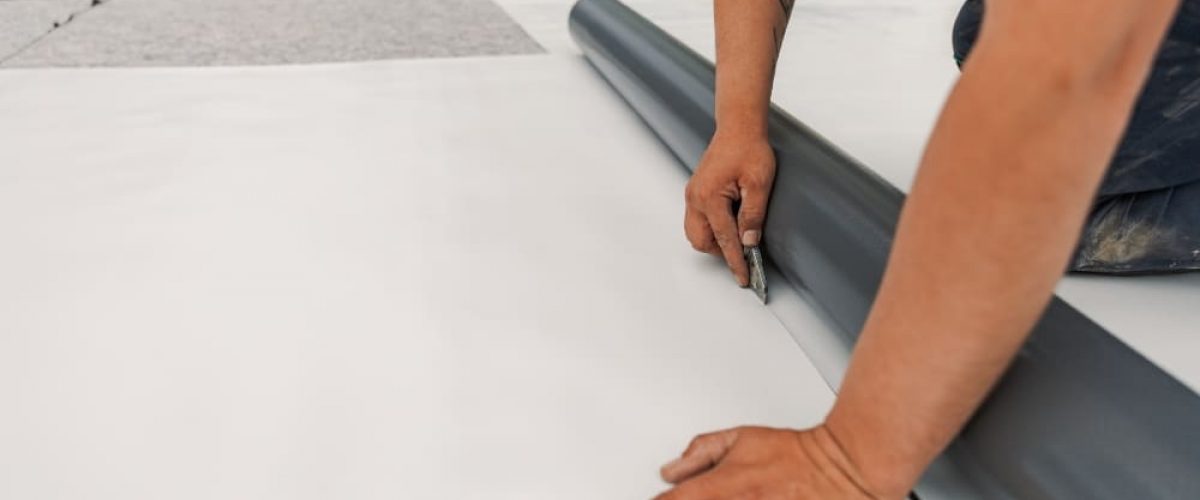
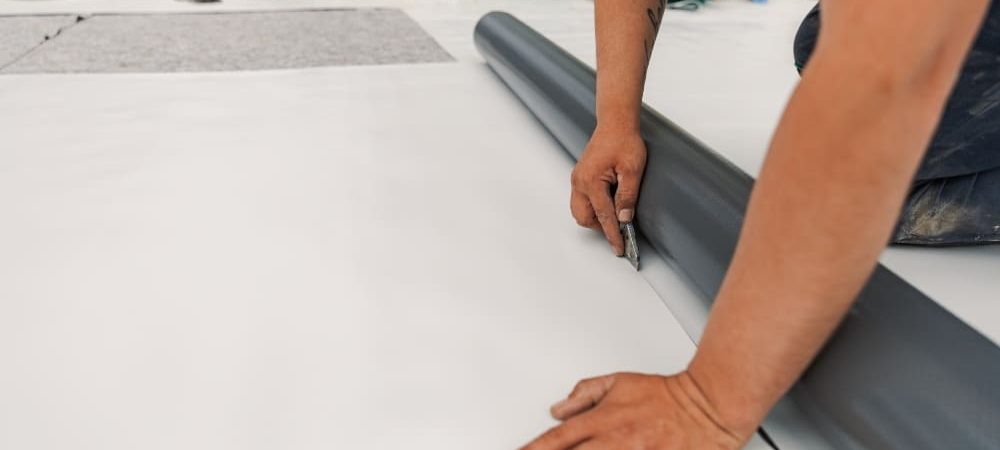
Unlike traditional built-up roofs (BUR) or heavy asphalt-based systems, TPO membranes are lightweight, flexible, and manufactured in rolls that are heat-welded together during installation. This process forms a continuous, seamless waterproof barrier across low-slope and flat commercial structures.
Key Technical Specifications of Commercial TPO:
- Membrane Thickness: Standard commercial thickness ranges from 45 mil, 60 mil, to 80 mil, with thicker membranes offering enhanced puncture resistance and extended manufacturer warranties.
- Attachment Methods: Can be mechanically attached, fully adhered with specialized adhesives, or ballasted, depending on structural load limitations and wind-uplift requirements.
- Seamless Construction: Seams are fused using hot-air welding equipment, creating a bond up to four times stronger than traditional glued or taped rubber seams (EPDM).
Core Benefits of TPO for Appleton Commercial Roofing
When evaluating materials for Wisconsin commercial roofing projects, facility managers must weigh long-term operational impact against upfront installation costs. TPO systematically outperforms legacy materials across three critical areas: energy efficiency, durability, and life-cycle value.
1. Significant Energy Savings & Cool Roof Technology
One of TPO’s primary advantages is its bright white reflective surface. Recognized as a “Cool Roof” material by Energy Star and the Cool Roof Rating Council (CRRC), TPO reflects a vast majority of the sun’s ultraviolet (UV) radiation away from the building rather than absorbing heat like dark EPDM rubber or asphalt.
- Reduced Cooling Loads: During hot summer months in Appleton, a dark roof can reach surface temperatures upwards of 150°F to 180°F. White TPO membranes stay significantly cooler, often within 10–20 degrees of ambient air temperature.
- HVAC Strain Reduction: By decreasing thermal absorption into your facility, indoor cooling units don’t have to work as hard, directly slashing monthly utility costs and extending the lifespan of expensive rooftop HVAC units.
- Utility Rebates: Local utility providers—including Focus on Energy in Wisconsin and WE Energies—frequently offer commercial energy rebates for qualifying cool-roof installations that lower peak power grid demand.
2. Exceptional Longevity and Weather Resistance
Northeast Wisconsin experiences rapid freeze-thaw cycles that break down sub-par roofing materials. TPO is engineered specifically to resist these environmental stressors:
- Flexible Under Low Temperatures: TPO remains flexible in sub-zero Fox Valley winter conditions, resisting the cracking and splitting that plague older, rigid asphalt systems.
- Chemical and Mold Resistance: Commercial properties housing manufacturing, restaurant operations, or industrial equipment often exhaust fats, oils, and chemicals onto the roof surface. TPO possesses strong chemical resistance to animal fats, grease, and fungal growth.
- Puncture & Wind Protection: The reinforced inner scrim gives TPO high tensile strength, protecting against wind uplift, moderate hail, and foot traffic from routine maintenance crews.
3. Cost-Effective Life-Cycle ROI
TPO offers one of the lowest performance-to-cost ratios in commercial construction. It delivers performance comparable to premium roofing systems at a much lower upfront material and labor investment.
Comparing TPO with EPDM and PVC Roofing
To understand why TPO has taken over such a large share of the commercial market, it helps to compare it directly against the other two major single-ply roofing membranes: EPDM (Rubber) and PVC (Polyvinyl Chloride).
| Metric / Feature | TPO (Thermoplastic Polyolefin) | EPDM (Ethylene Propylene Diene Monomer) | PVC (Polyvinyl Chloride) |
| Primary Color | Reflective White / Light Gray | Dark Black | Reflective White |
| Seam Joining Method | Hot-Air Heat Welded (Fused) | Seam Tape / Adhesive Glue | Hot-Air Heat Welded (Fused) |
| Chemical/Grease Resistance | High | Low | Very High |
| Energy Efficiency | Excellent (Reflects up to 80%+ UV) | Poor (Absorbs UV Heat) | Excellent (Reflects up to 80%+ UV) |
| Relative Cost | Moderate ($$) \vert{} Low-Moderate ($) \vert{} High ($$$) |
While EPDM rubber remains an option for basic low-budget applications, its black surface actively traps summer heat, driving up HVAC bills. PVC offers exceptional performance but comes at a significantly higher material cost. TPO hits the “sweet spot” for commercial building owners in Appleton—delivering top-tier reflective energy savings and welded seams at an accessible price point.
The TPO Installation and Repair Process
To ensure your investment delivers its expected 20- to 30-year operational life, proper engineering and certified installation practices are required. At Advantage Exteriors, our installation protocol adheres strictly to technical specifications set by industry-leading TPO manufacturers such as GAF, Firestone (Elevate), and Carlisle SynTec.
Key Considerations for TPO Installation
Before laying down the membrane, several structural and material factors must be calculated:
- Substrate & Insulation Board: Energy performance depends heavily on the polyisocyanurate (polyiso) insulation board installed underneath the TPO membrane. Proper insulation staggering prevents thermal bridging during cold Wisconsin winters.
- Slope & Drainage Assessment: Even on flat roofs, standing water (ponding) degrades materials over time. TPO installations must incorporate positive slope design—using tapered insulation boards—to route water directly toward internal drains, scuppers, or gutters.
- Attachment Strategy:
- Mechanically Attached: Fastened using heavy-duty screws and stress plates into the deck. Ideal for large warehouse spaces.
- Fully Adhesive Bonded: Glued directly to the cover board, providing ultra-smooth aesthetics, superior wind-uplift resistance, and zero mechanical penetrations through the insulation layer.
Repair & Maintenance Procedures
Even the toughest commercial roofs experience physical wear, storm damage, or punctures from dropped tools during HVAC servicing. Fortunately, one of TPO’s distinct advantages is its repairability throughout its entire lifespan.
- Heat-Welded Patches: Unlike EPDM which requires temporary tapes or liquid glues that break down over time, TPO can be re-welded years after installation. Technicians clean the damaged area, prep the surface, and hot-air weld a fresh patch of TPO directly over the tear, restoring 100% watertight integrity.
- Proactive Preventative Maintenance: Bi-annual commercial roof inspections (Spring and Autumn) ensure that seams around penetrations, flashings, skylights, and rooftop units remain tightly sealed before water migrates into structural insulation.
For a deeper dive into project planning and structural prep, read our detailed guide on key considerations for commercial roofing projects.
Frequently Asked Questions About TPO Commercial Roofing
What is the average lifespan of a TPO commercial roof in Wisconsin?
With professional installation and routine annual inspections, a commercial TPO roof typically lasts 20 to 30 years. Opting for a thicker membrane (such as 60-mil or 80-mil) significantly extends service life and resistance to storm damage.
Can TPO be installed over an existing roof?
In many cases, yes. If local building codes allow it and the existing roof structure is dry and structurally sound, a new TPO system can be re-covered over an older system (such as EPDM or asphalt BUR) using an approved separator cover board. This saves thousands of dollars in tear-off and disposal costs.
How does white TPO handle snow melt in Appleton winters?
Because white TPO reflects sunlight, snow may take slightly longer to melt from solar absorption alone compared to dark black rubber roofs. However, proper internal insulation (R-value) prevents heat from escaping through the building envelope, and correct roof pitch/drainage ensures melting snow drains freely without forming standing ice dams.
Maximize Your Commercial Property Value with Advantage Exteriors
Investing in a high-performance TPO roofing system protects your physical structure, drastically cuts summer operational overhead, and delivers predictable performance for decades. Partnering with a specialized, local commercial contractor ensures your installation is compliant with local Wisconsin building codes and backed by full manufacturer warranties.
Whether you need a complete flat roof replacement, retrofitting, or emergency commercial repairs in Appleton or the broader Fox Cities area, Advantage Exteriors brings decades of field expertise to your commercial facility.
Ready to evaluate your commercial roof?
Contact Advantage Exteriors today to schedule a comprehensive commercial roof evaluation and receive a detailed, transparent proposal for your facility.