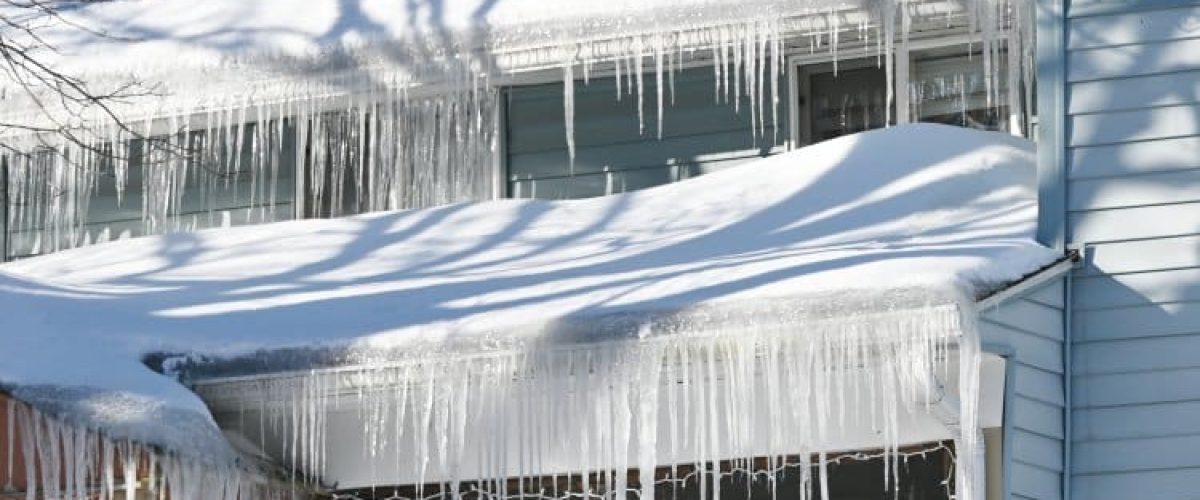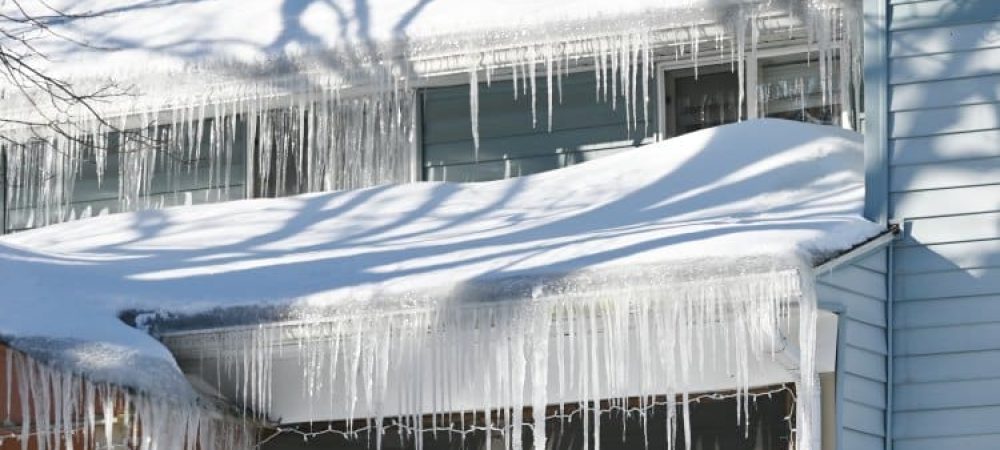
Wisconsin winters are not forgiving. Between heavy snowfall, ice buildup, sub-zero temperatures, and rapid freeze-thaw cycles, your roof is under constant stress for months at a time. While metal roofing is one of the most durable and long-lasting roofing systems available, it is not immune to cold-weather challenges—especially if issues are already developing beneath the surface.
At Advantage Exteriors, we specialize in metal roof systems designed specifically for Wisconsin’s climate. Each winter, we’re called out to inspect and repair metal roofs that homeowners assumed were “problem-free,” only to discover that cold weather had exposed underlying weaknesses.
If you’re wondering whether your roof is holding up—or silently failing—this guide will walk you through five critical signs of metal roof problems in cold weather, what causes them, and when it’s time to call a professional.
Why Cold Weather Is Hard on Metal Roofs
Metal roofs expand and contract more than many other roofing materials. In warmer months, that movement is gradual and manageable. In winter, however, temperatures can swing dramatically—sometimes by 40 degrees or more in a single day.
In Wisconsin, these fluctuations create unique stressors:
- Repeated thermal expansion and contraction
- Ice dams caused by snow melt and refreeze
- Heavy snow loads
- Frozen fasteners and sealants
- Wind-driven snow and ice infiltration
Over time, these conditions can turn small installation flaws or aging components into serious structural and moisture issues.
Let’s break down the warning signs you shouldn’t ignore.
1. Loose or Backed-Out Fasteners
One of the most common metal roof problems in cold weather is loose fasteners.
Why It Happens
Metal panels expand when temperatures rise and contract when temperatures drop. During winter, that contraction happens repeatedly and aggressively. Over time, this movement can cause screws to:
- Back out slightly
- Lose their seal
- Create tiny gaps that allow moisture intrusion
In exposed-fastener metal roofing systems, this is especially common. Once water enters around a fastener, it can freeze, expand, and make the opening worse.
Warning Signs
- Screws that appear raised or crooked
- Rust forming around fasteners
- Small leaks that appear only during snow melt
- Whistling or rattling sounds during high winds
Why It Matters
A single loose fastener might not seem serious—but multiply that by hundreds across your roof, and you have a recipe for leaks, corrosion, and long-term structural damage.
If you suspect fastener issues, a professional inspection through our Wisconsin roof repair services can determine whether spot repairs or a more comprehensive solution is needed.
2. Oil Canning or Panel Distortion
Have you noticed waviness or rippling in your metal roof panels during winter? That’s known as oil canning, and while it’s often cosmetic, cold weather can make it worse—or reveal deeper issues.
Why It Happens
Oil canning is caused by:
- Improper installation
- Panels that are too tightly fastened
- Thermal movement restricted by design flaws
In winter, metal contracts more aggressively. If panels don’t have room to move, they may visibly warp or stress at seams and fastener points.
Warning Signs
- Panels that look uneven or distorted
- Changes in appearance during extreme cold
- Increased noise as temperatures fluctuate
Why It Matters
While oil canning itself may not cause leaks, it can:
- Accelerate fastener failure
- Stress seams and overlaps
- Indicate that the roof system isn’t accommodating thermal movement properly
Our Wisconsin metal roofing specialists evaluate both structural performance and long-term durability—not just appearance.
3. Ice Dams and Snow Melt Issues
Ice dams are often associated with shingle roofs, but metal roofs are not immune, especially in Wisconsin.
Why It Happens
Ice dams form when:
- Heat escapes from the attic
- Snow melts on the roof
- Meltwater refreezes at colder eaves
On metal roofs, snow can slide quickly, refreeze at roof edges, and form dangerous ice buildup.
Warning Signs
- Thick ice forming along eaves or gutters
- Icicles hanging from roof edges
- Interior leaks during freeze-thaw cycles
- Water stains near exterior walls
Why It Matters
Ice dams can force water backward under metal panels, leading to:
- Leaks beneath seams
- Saturated insulation
- Interior ceiling and wall damage
Proper insulation, ventilation, and correct snow guard installation are essential for preventing these issues. Advantage Exteriors designs metal roofing systems that account for Wisconsin’s snow loads and ice patterns from day one.
4. Missing or Improperly Installed Snow Guards
Snow guards are not optional in Wisconsin—they’re critical.
Why It Happens
Without snow guards, snow can:
- Slide off in large sheets
- Damage gutters, landscaping, and entryways
- Refreeze unevenly on lower roof sections
Improperly installed snow guards can also fail under heavy snow loads.
Warning Signs
- Snow sliding off the roof in sheets
- Bent or detached snow guards
- Ice buildup below roof edges
- Damaged gutters or downspouts
Why It Matters
Beyond property damage, uncontrolled snow release is a safety hazard. In some cases, it can also void manufacturer warranties if snow retention systems aren’t installed according to specifications.
We follow metal roof manufacturer specifications to ensure snow guards are placed, spaced, and secured correctly for Wisconsin conditions.
5. Interior Condensation or Winter Leaks
Not all metal roof problems show up on the exterior.
Why It Happens
Cold weather can expose:
- Inadequate vapor barriers
- Poor attic ventilation
- Sealant failures at penetrations
As warm indoor air meets cold metal surfaces, condensation can form—leading homeowners to believe they have a roof leak when the issue is actually moisture buildup.
Warning Signs
- Dripping water during cold spells
- Frost on attic framing
- Mold or mildew smells
- Wet insulation without obvious roof damage
Why It Matters
Unchecked condensation can:
- Reduce insulation effectiveness
- Promote mold growth
- Damage structural components over time
A proper inspection identifies whether the issue is ventilation-related, insulation-related, or a true roof failure requiring repair.
Why Wisconsin Homeowners Trust Advantage Exteriors
Metal roofs are a long-term investment—and in Wisconsin, they must be engineered and installed with winter in mind.
At Advantage Exteriors, we provide:
- Metal roof inspections and repairs
- Cold-climate-specific installation techniques
- Manufacturer-compliant snow guard systems
- Long-term solutions—not temporary patches
Whether you need preventative maintenance or emergency winter repairs, our team understands how Wisconsin weather impacts metal roofing systems year after year.
To learn more about our expertise, visit our Wisconsin metal roofs service hub or explore our Wisconsin roof repair services for winter-specific solutions.
When to Schedule a Winter Roof Inspection
If you notice any of the warning signs above—or if your roof is more than 10 years old—winter is not the time to wait.
We recommend scheduling an inspection:
- Before heavy snowfall
- After major freeze-thaw cycles
- If you experience unexplained leaks or condensation
- When planning preventative maintenance before spring
Staying informed about upcoming weather patterns through trusted sources like the Weather Channel’s local Wisconsin forecasts can also help you anticipate stress points on your roof.
Final Thoughts: Don’t Ignore the Warning Signs
Metal roofing is one of the best defenses against Wisconsin winters—but only when it’s properly installed, maintained, and inspected. Cold weather has a way of exposing small issues before they become expensive problems.
By understanding these five critical signs of metal roof problems in cold weather, you can take proactive steps to protect your home, your investment, and your peace of mind.
If you’re unsure about the condition of your roof this winter, Advantage Exteriors is here to help—because in Wisconsin, preparation is everything.